Tiny Home Builder for efficient housing solutions
What to Consider When Choosing a Home Builder: A Step-by-Step Guide
Finding the most suitable home builder is a critical consideration. It calls for thoughtful evaluation of various factors, including expertise, standing, and communication style. A complete examination can reveal essential findings that influence the overall construction experience. Understanding these components supports a fruitful partnership. However, figuring out how to proceed can be daunting. What particular factors should one focus on in this critical determination?
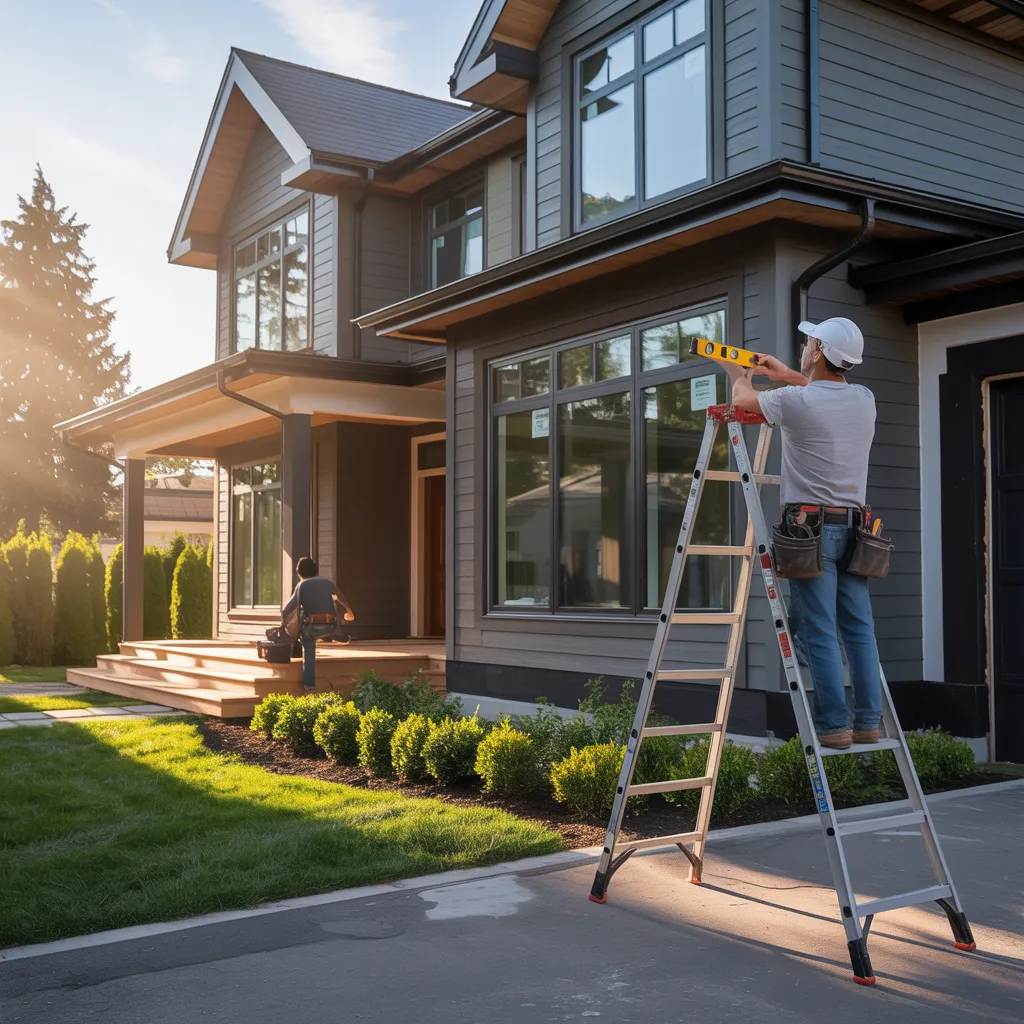
Assessing Builder Experience and Portfolio
When picking a home builder, experience and portfolio act as critical indicators of capability. Experienced builders often demonstrate a greater understanding of local regulations, design trends, and construction processes. Such expertise can considerably affect the quality and efficiency of the project.
A carefully assembled portfolio demonstrates a construction professional's scope of projects, highlighting diverse styles and levels of complexity. Prospective homeowners should evaluate finished work to assess the construction professional's skill level, thoroughness, and ability to meet homeowner requirements.
Moreover, the portfolio can highlight the builder's versatility to varying project requirements and client expectations. Collaborating with construction professionals who have a proven record of successful projects can strengthen belief in their capability to fulfill commitments. Ultimately, reviewing credentials and portfolio helps homeowners make informed decisions, ensuring their financial commitment matches their desired outcomes and personal expectations.
How to Evaluate Reviews and Reputation?
What methods can future homeowners use to evaluate a builder's standing? Among the most dependable approaches is reviewing feedback on platforms like Google, Yelp, and dedicated construction websites. Such reviews frequently offer valuable perspectives on past clients' encounters, shedding light on both advantages and shortcomings. Additionally, checking social media can reveal real-time feedback and community interactions.
Homeowners should also seek recommendations from friends, family, or local real estate agents, as personal referrals often carry significant weight. Furthermore, researching the builder's record with local business bureaus can bring to light any grievances or unaddressed matters.
For a thorough view, it is helpful to reach out to former clients personally, asking targeted questions about their contentment and the caliber of the completed work. By merging these strategies, aspiring homeowners can form a well-rounded understanding of a builder's reputation, resulting in a better-informed choice.
Communicating Effectively With Your Builder
Establishing clear communication with a contractor is essential for a smooth home development project. Proper communication ensures that all parties involved are aligned on expectations, schedules, and potential challenges. It begins with an preliminary consultation where homeowners can share their plans, financial expectations, and any unique specifications. Frequent check-ins, whether through written correspondence, telephone conversations, or on-site consultations, support transparency.
Homeowners ought to promote an open dialogue, allowing the builder to share insights and progress reports. This mutual exchange of information builds trust and promotes more effective problem resolution. Homeowners should also make it a priority to document all conversations and agreements to minimize the risk of misunderstandings down the line.
Setting clear milestones and deadlines can significantly strengthen communication, ensuring that the project continues to progress as planned. In the end, effective communication not only alleviates stress but also promotes a more efficient construction process, producing a home that meets the homeowner's expectations.
How Your Home Builder Determines Material Choices
Transparent communication establishes the foundation for comprehending how builders choose materials for a building project. Construction professionals commonly assess numerous elements, encompassing the project's design, applicable building codes, and the homeowner's requirements. They often prioritize quality and durability, choosing materials that align with or go beyond established industry standards.
Sustainability is another critical aspect, with numerous contractors integrating sustainable choices to cater to eco-aware clientele. These professionals often work closely with vendors to secure the supply of chosen materials, with careful attention to deadlines and cost considerations.
Additionally, builders assess material expenses and performance attributes, considering the advantages of multiple options alongside potential drawbacks. This thorough assessment process ensures that the final selection aligns with the homeowner's vision while ensuring structural durability and aesthetic value. Fundamentally, the material selection showcases both the construction professional's skill and the shared feedback from the homeowner.
Exploring Fair Pricing Structures
Comprehending reasonable cost frameworks is crucial for potential homeowners. A clear price breakdown allows clients to identify clearly where their investment is directed, while reviewing cost estimates helps confirm they are obtaining favorable pricing. This clarity can greatly impact the choosing process when selecting a construction professional.
Open Cost Overview
How do aspiring homeowners make certain they are receiving a fair arrangement when engaging a builder? A transparent cost breakdown is essential for understanding fair pricing structures. Builders should provide detailed estimates that outline all costs involved, including materials, labor, permits, and unexpected expenses. This clarity not only fosters trust but also enables homeowners to assess where funds are allocated. Future buyers should question the pricing strategy applied, verifying it visit now corresponds with established industry norms. A trustworthy contractor will readily explain their pricing approach, clarifying any differences in expenses. This openness allows homeowners to make informed decisions and minimizes the risk of hidden fees or last-minute charges, ensuring a smoother building experience.
Evaluating Quote Estimates
When examining possible contractors, reviewing price estimates proves to be a critical step in ensuring fair pricing structures. Potential homeowners should obtain numerous bids to understand the market average and identify discrepancies. Each bid should contain a comprehensive cost breakdown, including materials, labor, and extra costs. This transparency helps in determining whether an estimate is reasonable or excessive. Homebuyers should additionally ask about the approach used for each quote, as distinct builders may employ differing criteria for workmanship and supplies. It is vital to take into account not only the full expense but also the caliber of supplies and workmanship delivered. By meticulously analyzing these estimates, prospective owners can arrive at well-considered choices and choose a contractor that matches their financial plan and standards.
Essential Questions to Ask Before Signing
Prior to finalizing a contract with a building contractor, it is vital to question them about their skills and experience. Furthermore, validating their licensing and coverage can provide peace of mind about their qualifications and your security. Finally, familiarizing yourself with the warranty and aftercare services provided can assist in securing enduring contentment with the project.
Experience and Expertise
Choosing a home builder demands careful consideration of their knowledge and skills, as these qualities significantly impact the standard of the completed project. Potential homebuyers should ask about the builder's years in the industry and the styles of residences they focus on. Requesting examples or testimonials of completed projects can shed light on their quality of work and client satisfaction. It is also helpful to understand the builder's approach to project management and problem-solving, as these competencies can affect schedules and costs. Furthermore, discussing any awards or recognitions received can highlight their standing in the industry. At the end of the day, a builder's experience and expertise should match the homeowner's goals and aspirations for their future residence.
Licensing & Insurance
A complete understanding of licensing and insurance is crucial for homeowners in the process of selecting a contractor. Homeowners should initially confirm that the builder holds a valid license, as this confirms conformity with regional standards and regulations. It is prudent to obtain documentation of the license, confirming that it is current and appropriate for the construction type being planned.
Insurance protection is just as important. Homeowners must ask about general liability insurance, which shields them from possible damages, and workers' compensation insurance, protecting against on-site injuries. A credible builder should have no hesitation in presenting proof of both. This due diligence not only protects the homeowner's investment but also fosters trust in the builder's professionalism and commitment to quality.
Guarantee and Aftercare Solutions
Comprehending warranties and post-construction services is a critical consideration after confirming a construction company's insurance and licensing. Potential homeowners should inquire about the specifics of the warranty, including its length and what it covers. Important questions to ask are: What is the method for making a claim? Are there any restrictions or exceptions? Moreover, it's critical to understand the post-construction services offered. Homeowners should find out how the builder handles problems following construction, such as maintenance or repairs. They should also explore the availability of customer support and turnaround times for maintenance requests. A construction company's commitment to warranty and aftercare services can significantly influence the overall satisfaction with the residence, making these considerations necessary before finalizing any agreements.
Popular Questions We Receive
What Types of Warranties Do Home Builders Usually Provide After Project Completion?
Home builders typically offer warranties that protect against structural defects for a decade, systems and appliances for one to two years, and workmanship for 12 months, ensuring protection against potential issues after project completion.
How Do Builders Deal With Unexpected Project Delays or Complications?
Construction professionals typically address unforeseen project setbacks by being straightforward with customers, evaluating the root cause, and offering revised timelines. They can implement contingency plans and negotiate solutions to reduce disruption, guaranteeing ongoing project progress and client satisfaction.
Is It Possible to Customize My Home Design With Any Builder?
Not all construction companies offer home design customization. Some offer predefined layouts, while others provide flexible options. Future homeowners are encouraged to ask about customization possibilities to confirm that their goals correspond with what the builder provides.
What Types of Financing Options Do Builders Provide for New Homes?
Builders generally present a variety of funding solutions, including internal financing, arrangements with financial partners, and customizable payment arrangements. Such solutions are designed to suit a range of financial situations, making homeownership more accessible for prospective homeowners in search of new construction homes.
How Do Builders Ensure Energy Efficiency in New Homes?
Home builders secure optimal energy use in modern homes by implementing high-performance insulation materials, high-efficiency windows, and HVAC systems. They further incorporate environmentally responsible building practices and innovations, seeking to lower energy demand and boost overall ecological performance.